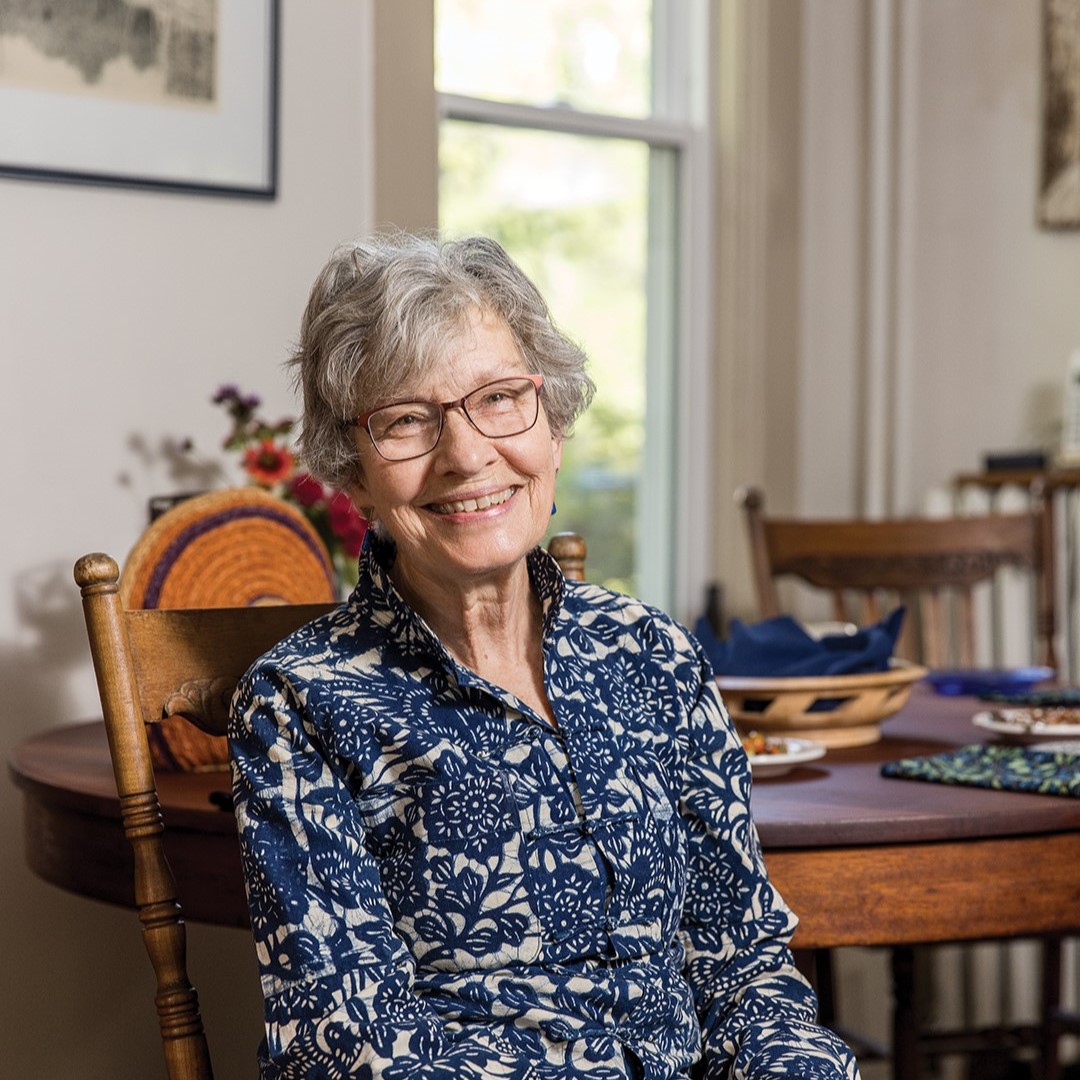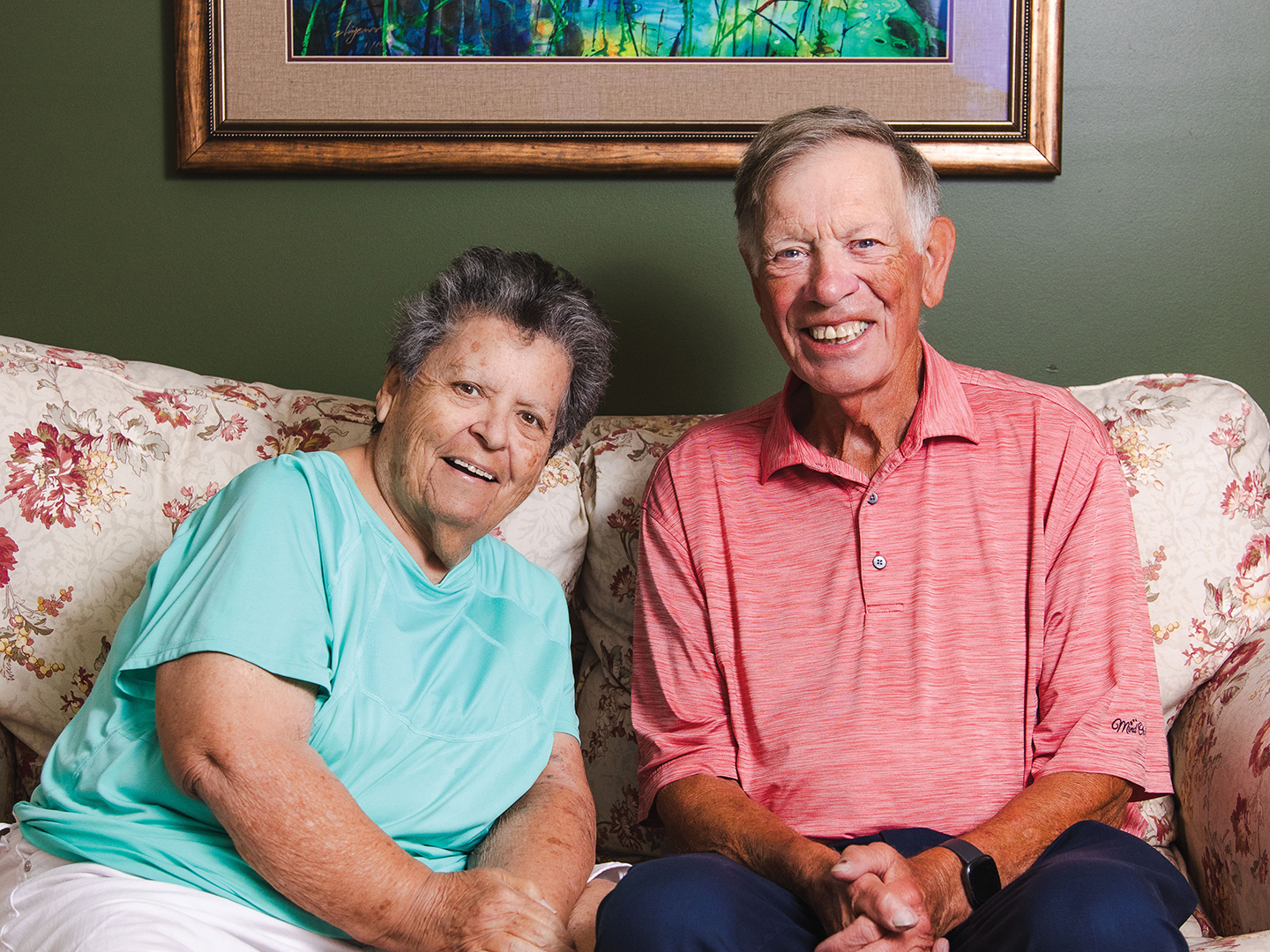
Betsy and Dick Ellis. Photos: Chris Emeott
For caregivers, local support is essential.
Betsy and Dick Ellis have lived in their quaint, two-story home on a cul-de-sac in Lake Elmo for more than 20 years. Like many in retirement, the Ellises have developed a comfortable routine. Upon waking, they share a meal. They go on a walk, sometimes two, in their neighborhood or at a local park. Later in the day, they settle in to play a game or watch a sports match.
And each night, before they go to bed, Dick sends a text to the couple’s two adult children: “OK.”
It’s been nearly a decade since Betsy was diagnosed with cognitive memory impairment and, later, dementia. The check-ins, introduced in early 2025, are an important part of the family’s routine. “I felt that, if something were to happen to me, we may not have contact for a number of days, and there could be something serious going on,” Dick says.

Besty and Dick Ellis enjoy playing board games together at their kitchen table. Betsy’s favorite is Park and Shop, a game from her childhood.
Betsy, known to her grandkids as Beppie, is chipper, friendly and complimentary. She is observant on their daily walks, often commenting on passing planes and wildlife. Betsy enjoys playing solitaire and a board game from her childhood called Park and Shop.
Dick is a retired energy salesperson and National Guard captain. In the past few years, he’s taken to knitting and has donated more than 200 hats to Children’s Minnesota and Every Third Saturday, a nonprofit supporting veterans. As he sits beside Betsy at their kitchen table, he’s attentive and encouraging, helping her move a character on the Park and Shop gameboard.
Dick and Betsy have cared for each other since meeting as students in Stillwater Area High School’s class of ’65. Now, Dick is Betsy’s caregiver. “I didn’t see it as a conscious decision, ‘Hey, I want to do this,’” Dick says about caregiving for his wife. “You just continue on with your lives and taking care of each other.”

Betsy, known to her grandkids as Beppie, has a custom license plate attached to her scooter.
Empowering Caregivers
The definition of a caregiver is broad, explains Jenny West, caregiving and aging educator at FamilyMeans. The term describes anyone providing unpaid care to somebody in their life, regardless of age and whether the condition is permanent or temporary.

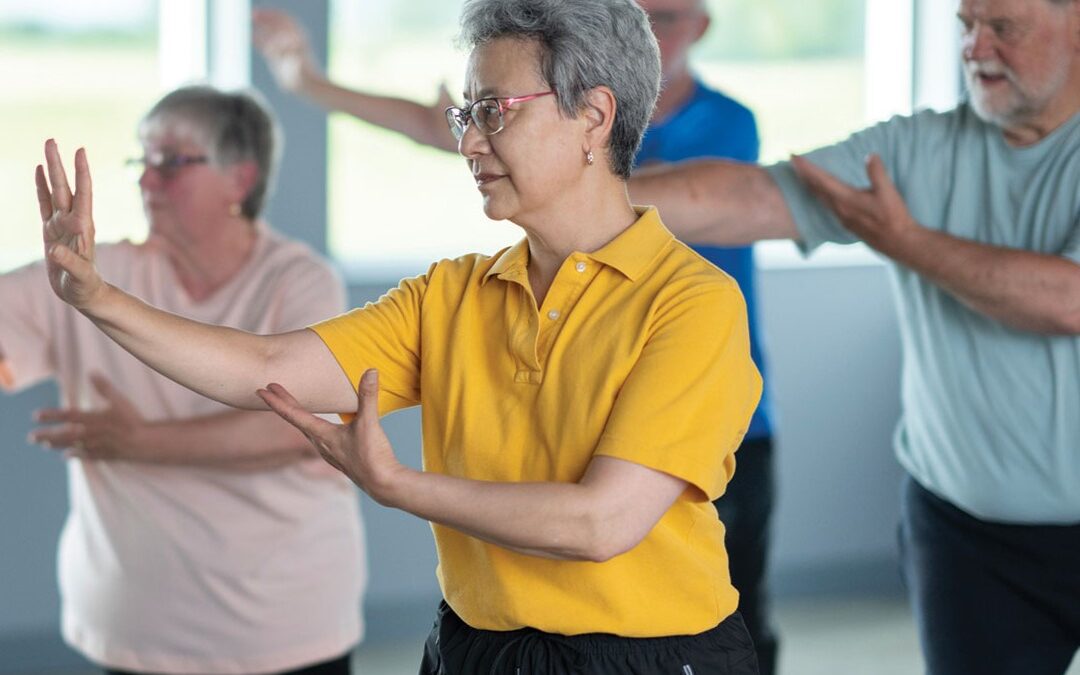
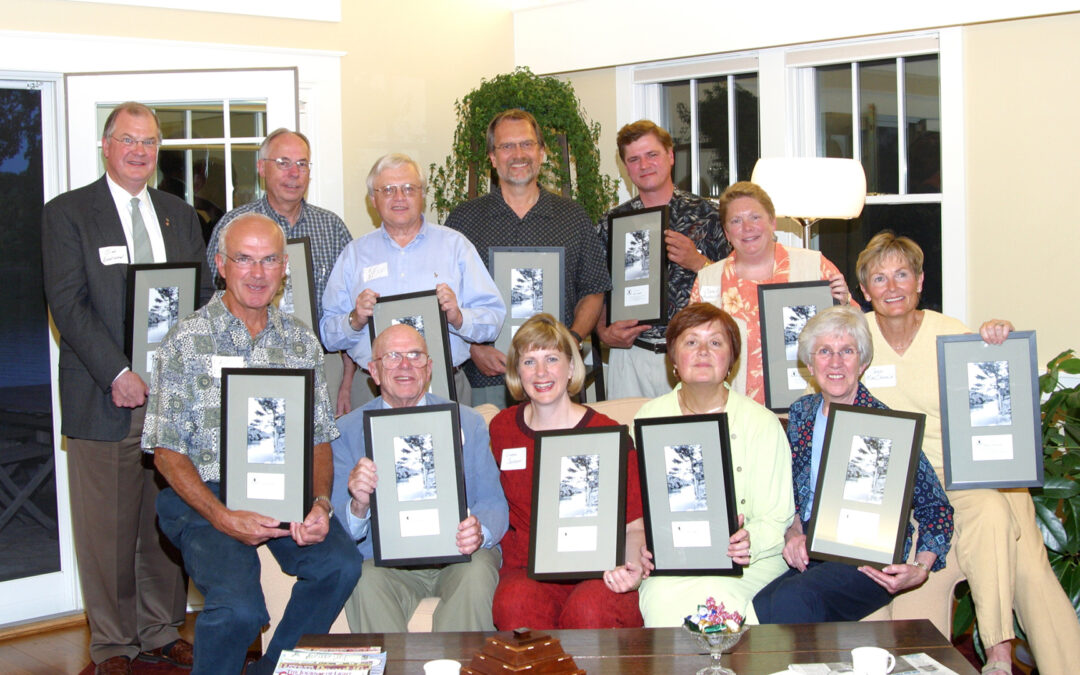
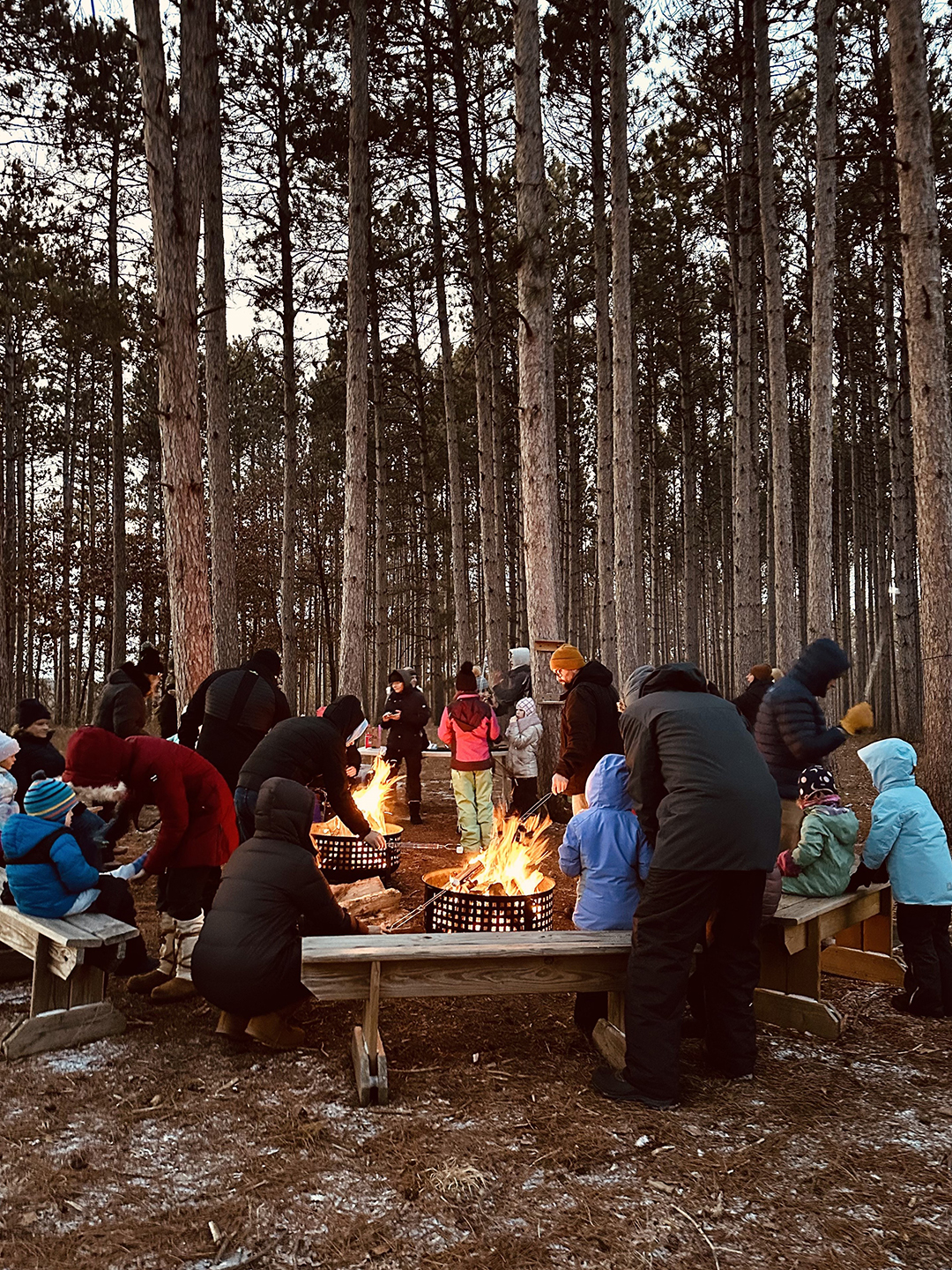
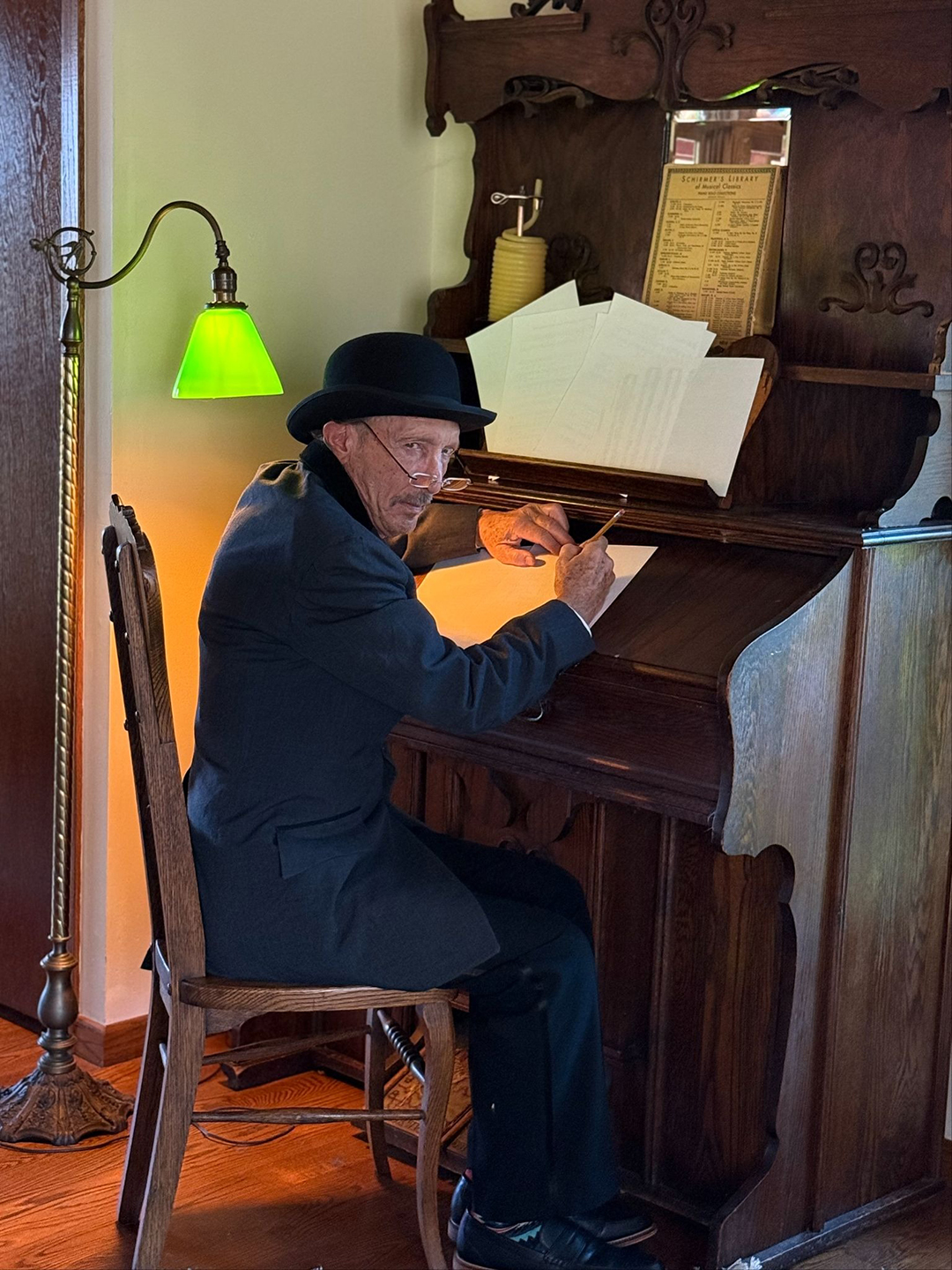
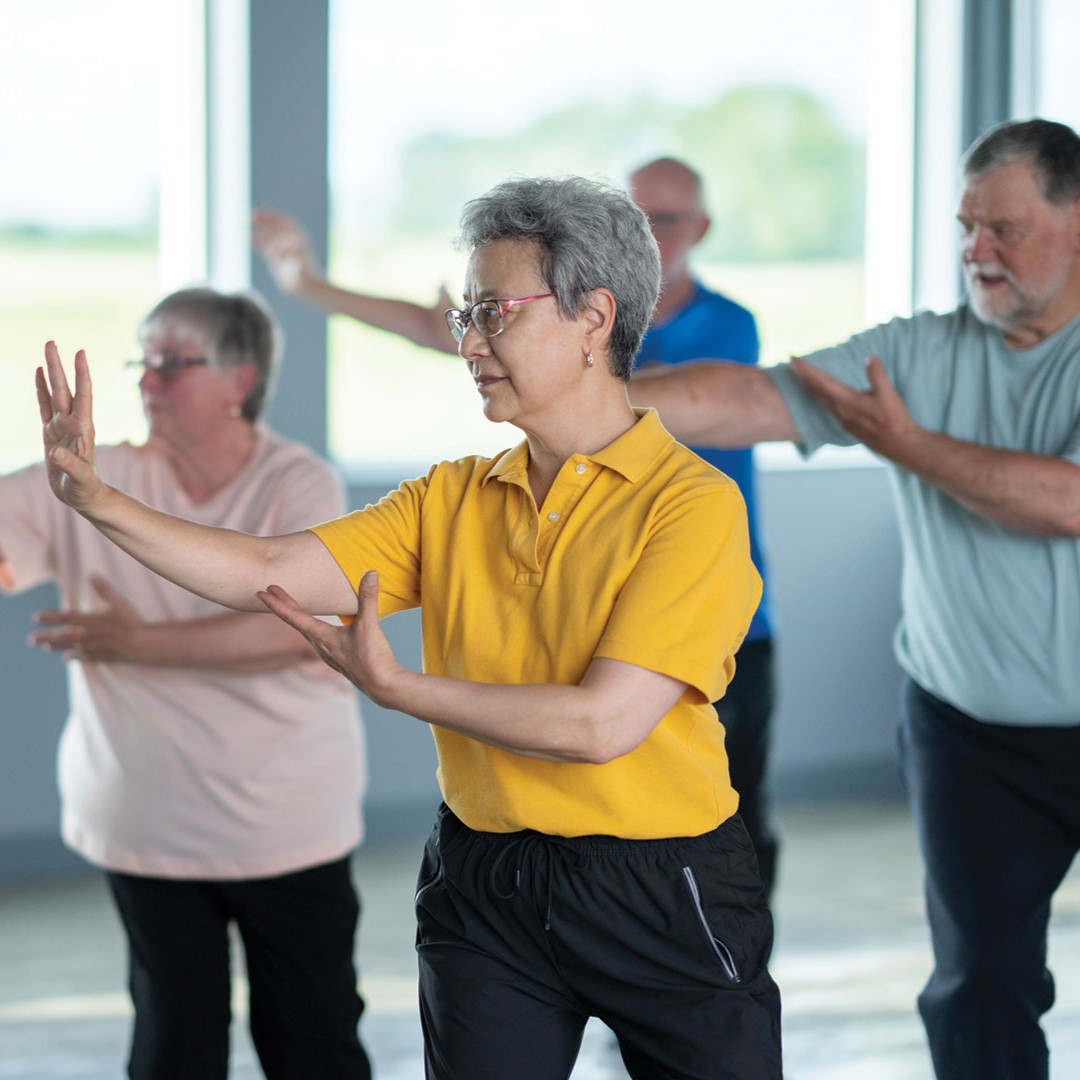
FamilyMeans offers workshops, respite and therapy focused on supporting family and friend caregivers. Photos: FamilyMeans
FamilyMeans is a multiservice, nonprofit organization in the Valley that supports families through therapy and programming. Caregiver support groups, family mediation, respite offerings and programming (Memory Café and Family Night Out) are just a few examples of how FamilyMeans seeks to help family and friend caregivers find acceptance, balance and community.
“Most people don’t even think of themselves as caregivers, so it doesn’t occur to them that there might be something that could be helpful to them,” says Beth Wiggins, director of caregiving and aging at FamilyMeans. “But if they … find us or we find them early on, we can be their support and their guide over quite a long period of time.”
While caregiving is not limited to the aging population, more and more families will have the experience of caregiving or being cared for as demographics shift. According to Minnesota State Demographic Center projections, retirees aged 65 and above now outnumber children aged 5 to 17 years for the first time in the state’s history.
Wiggins is hopeful that society as a whole will feel better prepared as caregiving becomes a reality for more people. “Many, many people are experiencing being on the caregiver end of it, and I’m hopeful that those same people are having that realization of, ‘Oh, if I plan differently, whoever’s caring for me will have an easier time than I’m having or as good a time as I’m having.’”
Seeking Support
As Betsy’s disease has progressed, she’s needed more help day-to-day. “It’s always emotional highs and lows, and I just try to put a positive spin on things,” Dick says. “Over time, a person with dementia will need help with almost everything.”
The Ellises are supported on all sides by close family and friends, and Dick says he’s not shy about asking for help. “What I’ve learned is to put aside any pity I might feel for myself and just continue to look to family and friends for help. And with their support, we just keep going,” Dick says.
The couple attends FamilyMeans’ Memory Café at R.H. Stafford Library in Woodbury every second Tuesday of the month. It’s a safe place in the community for families to come, engage and be empowered, West explains. She encourages caregivers to use the time to step back from the caregiving role and take the opportunity to embrace their previous role as a child, partner or friend. “They can just enjoy that time together,” West says.
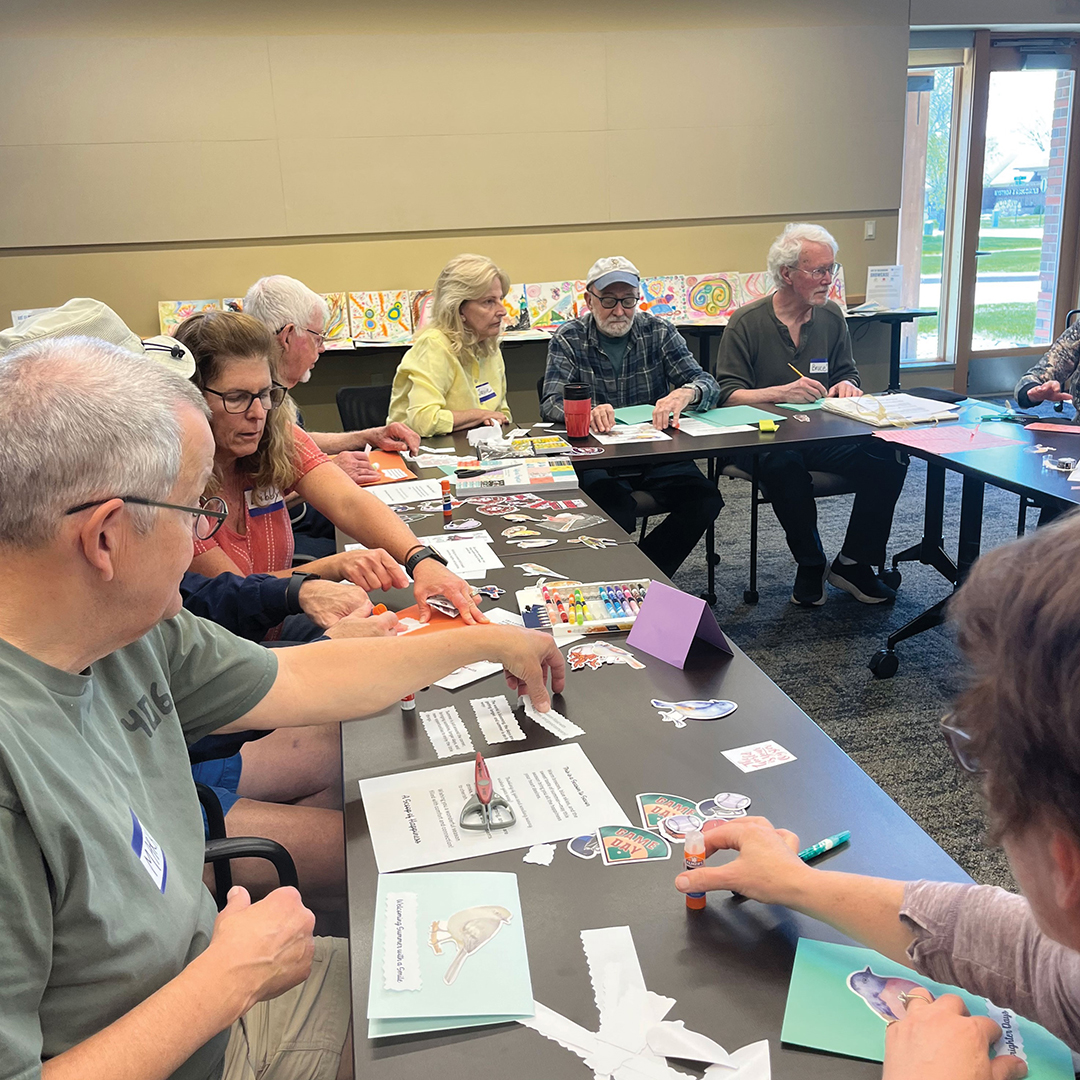
It’s also an opportunity for caregivers to connect and help each other navigate the ever-changing landscape of caregiving for a loved one with dementia. “It’s a new experience for everyone, and, as the disease progresses, that experience changes for both the caregiver and the person with the disease,” Dick says.
Watching those connections form is a highlight for the FamilyMeans staff. “The sense of community that’s built when caregivers reach out to each other is quite stunning,” Wiggins says.
At a recent Memory Café, Dick offered advice to another caregiver, who was struggling with feeling frustrated by his wife’s repeated questions. “If you dwell on those things, it makes it a lot tougher,” Dick says. “Take care of yourself. Lean on family and friends. Engage in a new hobby. Go out and scream at the world, and come back in and go on.”
Finding the Joy
Even on hard days, there are pockets of joy. “The little things are very rewarding. One day, we were watching TV, and she turned and looked at me,” Dick says, holding back tears. “She just turned around and said, ‘I still love you.’”
Dick makes sure to write down the special, happy moments the couple shares. Staying positive, practicing patience and sticking to a good routine are ways Dick seeks to keep both himself and Betsy in a good mental space. “I don’t think of myself that I’m grieving. What I realize is, she didn’t ask for this,” Dick says. “That’s the tough part about it. She didn’t ask for this. I’m just glad that I don’t have it, and I can take care of things.”
Betsy was a skilled crocheter for many years. “When she stopped doing that … we had a lot of yarn down in the basement,” Dick says. He decided to give knitting a try. Two years on, he’s gotten so efficient that he can finish a hat in an afternoon. Stacks of colorful caps sit on the bed in their spare room, waiting to be donated. Betsy does a quality check on each hat, and Dick’s phone is full of images of her modeling his creations.
Dick is content to continue caregiving for Betsy as long as he’s able. “I have our name at three different facilities here in the area, and occasionally I’ll get a call [about] an opening, but she’s comfortable here. I’m comfortable here, so it’s just not time yet.”
The caregiving journey will be unique for each family—the needs of both the caregiver and the individual being cared for will evolve over time. Considering the social and emotional needs of caregivers in your life can make all the difference, West says. Offering respite, a meal or an invitation to spend time together is a great place to start. “It’s not just saying, ‘Call me if you need me.’ It’s really taking action,” West says. “ … No one should have to do it alone.”
Planning Ahead
Caregiving can happen at any time. Whether we’re receiving care from or giving care to a loved one, it’s a whole new world to navigate.
FamilyMeans caregiving and aging educator Jenny West recommends planning ahead and initiating conversations with loved ones about end-of-life care. “[A healthcare directive] is the biggest gift that you can give to a family member, but a lot of people don’t want to think about it. It is hard. You’re very vulnerable when you do it. But once it’s in place, there’s confidence there. And there’s direction, [so] if you can’t speak on your behalf, somebody else can,” West says.
Among Friends, River Falls, is a daytime group respite program serving senior adults and their families in Wisconsin’s St. Croix and Polk counties. amongfriendsrf.com
Caregiver Support Groups are available at FamilyMeans, SeniorHelpers, Stillwater, and at your county’s Aging and Disability Resource Center. FamilyMeans also offers one for those caring for adults with disabilities, specifically. familymeans.org; seniorhelpers.com
Caregiver Support Programs on both sides of the river are available to connect residents with resources and support and offer training and respite. Check with your county’s Aging and Disability Resource Center to learn more.
Circle of Friends Adult Day Center is a respite program in Oak Park Heights, catering to older adults but open to anybody with memory loss, disabilities and mental health challenges. hsicares.org
Education and Workshops help bridge the gap and guide caregivers to find balance. Options vary from a 10-week Finding Meaning and Hope series to the quarterly Caregiving Deep-Dive and special education events. familymeans.org
FamilyMeans Respite allows caregivers time for themselves through in-home and group respite offerings. familymeans.org
Memory Café is a welcoming space with facilitated conversation, resources and fun. Meetings are held in Hugo, Lake Elmo and Woodbury. familymeans.org
Your healthcare provider can be an amazing resource for care, support and solutions.
FamilyMeans
1875 Northwestern Ave. S, Stillwater; 651.439.4840
Facebook: FamilyMeans
Instagram: @familymeans